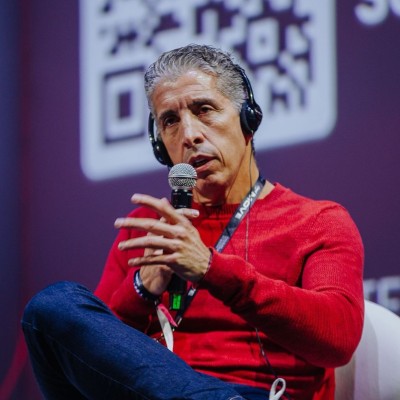
Stablecoins & Infrastructure: Transforming Global Payments
Panel: Visa, Cash, and Tokenation on Settlement and Institutional Adoption
30min · Full recording from 19/03/2026 at BingX Stage. Also available on YouTube.
Introduction: From Crypto as Investment to Crypto as Infrastructure
For years, cryptocurrency conversations focused on volatility and price speculation. This panel marks an inflection point: stablecoins and blockchain are now real payment infrastructure processing billions in institutional volume. Visa has settled $4.6 billion in USDC. Cash raised $80 million in Series A to build a borderless global neobank. Tokenation is organizing Brazil's first massive crypto event. The conversation is no longer about hypothetical futures, but operational reality.
Key Learning Points
- Visa Stablecoin Settlement - $4.6 Billion in 2025: Visa is not piloting stablecoins, it is settling real volume. $4.6B processed in USDC through December 2025. Brazil will have first stablecoin liquidation tests this year, likely USDC plus two additional stablecoins
- Visa Direct and 150+ Global Programs: Visa operates 150 crypto liquidity programs in 50 countries, enabling users to pay with any crypto (Bitcoin, Solana, Ethereum, USDT) directly at 150 million Visa merchants without exchange intermediation. Immediate online access with zero friction
- Cash Raised $80 Million Series A as Borderless Global Neobank: Key investor KID (Nubank investor). Cash was born directly as a global platform thanks to blockchain, without country-by-country expansion. Model impossible in pre-blockchain fintech
- Brazilian Use Cases - Six Early Adoption Segments: (1) Brazilians traveling abroad avoiding IOF; (2) Developers working for global companies receiving USD salary; (3) Crypto traders with stablecoin gains; (4) Startups/founders paying external services (AWS, Meta ads) in USD; (5) International remittance users; (6) B2B companies needing stablecoin settlement
- Stablecoins as Gateway to Web3: Stablecoins hook risk-averse users. Customer enters for stablecoin security, experiences good UX, discovers Bitcoin and Solana inside the same app, becomes sophisticated user
- Three Visa Technical Blocks - VTEP, Direct Settlement, and Consulting: VTEP is programmable money tool (burn rules, on/off ramps, contract-tethered logic). Visa settles stablecoins directly through channels. Also provides specialized consulting for partners building proprietary programmable currencies
Infrastructure: How Blockchain Improves Payments Today
Blockchain does not replace traditional system, it optimizes it: Reduces intermediaries (lowers cost). Enables programmable money instead of required pre-funding. Provides 24/7/365 availability instead of limited traditional hours. Transforms money into software: blockchain allows money to have rules, conditions, and logic attached.
Cash as UX Simplification Case Study: Behind the hood uses blockchain and stablecoins. For user: (1) Add virtual card to Apple Wallet or Google Pay. (2) Pay anywhere globally with Visa. (3) Fund with Pix (in Brazil). (4) Receive international salary directly in app without intermediaries. All with fees 10-100x lower than traditional Swift.
Institutional Adoption Roadmap 2025-2026
Visa - $4.6B Settlement, 150 Global Programs, 200 Countries, 150 Million Merchants: No longer pilot. Real settlement, real volume, real users. Brazil: first tests this year. Visa Direct: stablecoin remittances across 200 countries in 150 currencies now including USDC.
Cash - $80M Series A, 18 Months Operations, Massive Organic Growth: Global dollar account + stablecoin transactions + unified Visa card. B2B cases: waitlist for CNPJ companies. Institutions already adopting stablecoin settlement (not just corporations, but publicly-listed traditional players).
Brazilian Market as Global Laboratory: Brazil has unique opportunity: Pix as precedent for payment innovation. Young, tech-savvy population. Comparative regulatory stability. Institutions willing to experiment. Stablecoins as financial inclusion and remittance tool.
Differentiators: Why Institutions Chose These Models
Visa - Complement, Not Replace: Visa viewed blockchain not as threat but as tool to connect two worlds (traditional and crypto). Its 150 million merchants and 200 countries are impossible-to-copy competitive advantage. Stablecoins is another rail within existing infrastructure.
Cash - Global Neobank Day One: Without blockchain, fintech startup must register in one country, grow, then expand. Cash born directly global: simplified UI, borderless operations, stablecoins as native currency. Investor (KID) saw model as Nubank success replication without geographic constraints.
Education and Experience as Competitive Moat: Crypto market suffers from complexity (seed phrases, wallets, exchanges, fees). Cash and Visa prioritize educating users and integrating crypto experience into familiar flows (Pix, Apple Pay, Visa). This differentiates them from exchanges demanding expertise.
Strategic Synthesis - Next 5 Years
Three pillars define evolution: (1) Infrastructure (Rails): Stablecoins, Visa Direct, and blockchain integration are rails being built now. Not new rails but optimizations of existing ones. (2) User Experience (UX): Decentralized wallets improved. Cash, Bybit, generational exchanges simplified onboarding. Remaining gap: make DeFi and staking as simple as Pix. (3) Regulation: Giant institutions need regulatory certainty. Brazil is laboratory: government considering stablecoin regulatory framework.
In 5 years, stablecoins will be invisible to end users but omnipresent in institutional backend. A Brazilian travels, pays with Visa card (crypto underneath), doesn't think about it. A Brazilian company pays foreign suppliers in USD via stablecoin settled in 2 seconds vs. 2 days via Swift. Remittances from abroad arrive in minutes vs. hours. The milestone is reaching 1 billion new crypto users — stablecoins are the entry channel. Education and regulation are the 2026-2027 bottlenecks to solve.