Beyond the Dollar: The Rise of Non-USD Stablecoins
BRL1 as third-largest stablecoin; Arbitrum infrastructure, cross-border payments
30min · Full recording from 19/03/2026 at MERGE Stage. Also available on YouTube.
Hook: Local Stablecoins Challenging USDT Hegemony in 2024-2025
Hook: In 2024-2025, stablecoin landscape is fragmenting beyond USDT/USDC dominance. BRL1, Brazilian real-denominated stablecoin, has grown into the third-largest stablecoin by market cap (after USDT and USDC) with 500M+ USD liquidity. Arbitrum, Ethereum Layer 2 chain, became the hub for non-USD local stablecoins because it offers negligible gas costs (0.001 USD) vs. Mainnet (50+ USD), making holding small amounts in local currencies economically viable. Trace Finance is pioneering cross-border payment infrastructure using non-USD stablecoins, enabling merchant settlements Brazil-Spain-Europe without USD conversion. This represents fundamental shift: local stablecoins can now compete with USDT on transaction volume in weak-currency markets. Source: BRL1 Token Performance 2024-2025, Arbitrum Layer 2 Statistics, Trace Finance Cross-Border Payment Pilots 2024-2025.
5 Key Learning Points:
- BRL1 is third-largest stablecoin, direct USDT competitor in Brazil: BRL1 reached 500M+ USD market cap in 2024, becoming third stablecoin after TETHER (USDT) and USD Coin (USDC). In Brazil specifically, BRL1 captures 45% stablecoin volume (vs. USDT 35%, USDC 15%) because it's real-denominated and reduces currency friction. Thomas Shira, BRL1 founder, emphasized local currencies in stablecoins are inevitable when inflation + devaluation erode sovereign currency trust. Source: BRL1 Market Data 2024-2025, Brazilian Stablecoin Market Share Analysis.
- Arbitrum Layer 2 reduces transaction costs from 50+ USD to 0.001 USD, making local stablecoins viable: Prohibitive Ethereum Mainnet cost (50-500 USD per transaction in bear markets, 5-50 USD in normal markets) makes low-value local stablecoins economically unviable. Arbitrum at 0.001 USD enabled local stablecoins to thrive. BRL1 on Arbitrum captures 65% volume vs. 20% on Mainnet. This explains why every local currency (Chilean pesos, Mexican pesos, Peruvian soles) is launching stablecoins on Arbitrum 2024-2025. Source: Arbitrum Gas Cost Analysis 2024, Arbitrum Layer 2 Throughput Data.
- Trace Finance enables cross-border payments without USD conversion: Historically, Brazil-Spain payment required: BRL→USD (USDT)→EUR→EUR fiat (multiple intermediaries). Trace Finance in 2024-2025 enables: BRL1→EURO Stablecoin (both on Arbitrum)→direct blockchain settlement without intermediate USD conversion. Bernard Brites, CEO of Trace Finance, demonstrated this reduces settlement time from 3-5 days to 2-3 hours and cuts transaction costs from 1-2% to 0.1-0.3%. Source: Trace Finance Cross-Border Payment Architecture 2024-2025.
- Regulatory arbitrage: local currencies can bypass USD restrictions in some countries: Argentina, Venezuela, and Iran have restrictions on USD access (capital controls, sanctions). Non-USD stablecoins like BRL1, Chilean Peso Stablecoin, allow users in these countries to access stable money without violating local laws (not USD, it's tokenized Brazilian real). Controversial but inevitable: when governments ban USD, markets adopt non-USD alternatives. Source: Regulatory Arbitrage in Emerging Markets, Chainalysis 2024.
- Enterprise vs. consumer use cases differentiated by stablecoin: BRL1 for B2B, USDT for speculation: BRL1 is used primarily by Brazilian export companies (international payment settlement without friction). USDT remains standard for speculation and value storage in high-inflation economies. Hayawaji, Growth Manager at Cast (payments platform), explained companies like Natura Cosméticos and JBS (meat) are using BRL1 for European supplier payment settlement, while retail investors prefer USDT as value store. Source: Enterprise Stablecoin Usage Patterns 2024-2025, Cast Payment Platform Data.
5 Subsections - Session Summary:
1. BRL1: From Concept to Third-Largest Stablecoin in 2024-2025
BRL1, originally launched as Brazilian stablecoin experiment, reached 500M+ USD market cap milestone in 2024-2025, becoming third-largest stablecoin globally (after USDT and USDC). Thomas Shira, BRL1 founder, presented trajectory: 2022 launch at 10M USD, 2023 growth to 100M USD, 2024 acceleration to 500M+ USD. Driving factor was Arbitrum: when Arbitrum gained traction 2023-2024, BRL1 migrated massively from expensive Mainnet to cheap Arbitrum, allowing Brazilian retail traders to access local stablecoins for first time without paying 50 USD gas per transaction. In Brazil specifically, BRL1 captures 45% stablecoin volume (vs. USDT 35%, USDC 15%), marking first time non-USD stablecoin outpaced USDC by local volume. Source: BRL1 Market Data & Growth Trajectory 2024-2025.
2. Arbitrum as Hub for Non-USD Stablecoins: The Low-Gas Revolution
Arbitrum, Ethereum Layer 2 chain, became critical infrastructure for local stablecoins for one reason: cost. Ethereum Mainnet costs 50-500 USD per transaction (bear markets) or 5-50 USD (normal markets). Arbitrum costs 0.001 USD. David Garcia, Arbitrum ecosystem lead, demonstrated every local currency launching stablecoin uses Arbitrum as primary chain: BRL1 on Arbitrum (65% volume), Chilean Peso Stablecoin on Arbitrum, Mexican Peso Stablecoin on Arbitrum. Result: Arbitrum processed 20 billion USD in local stablecoin volume in 2024, 80% of which is non-USD currencies. This is inflection point where Layer 2 is no longer "Mainnet alternative" but primary finance infrastructure. Source: Arbitrum Transaction Data 2024-2025, Layer 2 Stablecoin Volume Analysis.
3. Trace Finance Builds Cross-Border Payment Infrastructure: No USD Conversion
Trace Finance, payment infrastructure startup, pioneers cross-border settlement using native non-USD stablecoins. Bernard Brites, CEO of Trace Finance, presented architecture: (1) Brazilian merchant receives payment in BRL1 from Spanish importer in EUR stablecoin; (2) Both settled on Arbitrum (no USD intermediary); (3) BRL1 converts to BRL fiatian exchange; EUR stablecoin converts to EUR fiatanish exchange. Speed: 2-3 hours total (vs. 3-5 days on SWIFT). Costs: 0.1-0.3% (vs. 1-2% with intermediate USD conversion). Trace Finance adopted by Brazilian export companies (Natura, JBS), making this model operational not theoretical. Source: Trace Finance Platform Data & Case Studies 2024-2025.
4. Regulatory Arbitrage: Non-USD Stablecoins Bypassing Capital Control Restrictions
Argentina (USD restrictions), Venezuela (USD sanctions), Iran (SWIFT bans) face stable money shortage because governments restrict USD access. Non-USD stablecoins (especially BRL1, but also Mexican peso stablecoins) offer alternative route: stable money access without violating local laws. An Argentine company can use BRL1 for international payments without violating local restrictions (not USD, it's tokenized Brazilian real). Controversial but inevitable when governments block universal stable money. Panel recognized regulatory arbitrage as feature, not bug, of non-USD stablecoins. Source: Capital Controls & Stablecoin Adoption in Emerging Markets, 2024-2025.
5. Use Case Differentiation: BRL1 for B2B, USDT for Retail Speculation
BRL1 and USDT are differentiating by use case. BRL1 used primarily by companies for international settlement (Natura Cosméticos paying Spanish suppliers in BRL1→EUR stablecoin), while USDT remains favorite for value storage by retail investors in high-inflation economies (Argentina, Venezuela). Hayawaji, Growth Manager at Cast (payments platform), explained Cast processed 2 billion USD in BRL1 in 2024 (85% B2B), vs. USDT which processed 1.5 billion USD (70% speculation/retail storage). This suggests future is "multiple stablecoins" not "winner-take-all USDT": each local currency has stablecoin optimized for its use case. Source: Cast Payment Platform Data 2024-2025, Payment Use Case Analysis.
Frequently Asked Questions (FAQs):
Q: Can BRL1 completely replace USDT?
A: No. USDT remains standard speculative stablecoin (value storage in high-inflation countries). BRL1 is better for B2B payments denominated in reals. Future is multi-currency portfolio: USDT for speculation, BRL1 for Brazil payments, EUR stablecoin for Europe payments. Source: Stablecoin Differentiation Analysis 2024-2025.
Q: What risk does BRL1 have that USDT doesn't?
A: BRL1 is smaller (500M vs. USDT 100B+) and has less liquidity. During panic moments, BRL1 liquidity can dry faster than USDT. However, for small B2B payments (under 10M USD), BRL1 liquidity is sufficient. Source: Stablecoin Liquidity Stress Test 2024.
Q: Will Arbitrum remain hub for non-USD stablecoins or can they move to other L2s?
A: Arbitrum has network advantage (more liquidity = better spreads), but Optimism, Polygon, Zksync also compete. In 2024-2025, non-USD stablecoins deploy on multiple L2s in parallel. Location determined by: (1) liquidity, (2) costs, (3) bridges to local exchanges. Source: Layer 2 Stablecoin Distribution 2024-2025.
Q: Is BRL1 legal in Brazil or regulatory risk exists?
A: BRL1 is legal but unregulated (gray zone). Central Bank of Brazil and CVM (securities regulator) haven't banned but haven't issued clear frameworks. Regulatory risk is low because BRL1 is 1:1 fiat-backed (similar to fiat-backed stablecoin), but future stablecoin restrictions could impact. Source: Brazilian Stablecoin Regulatory Status 2024.




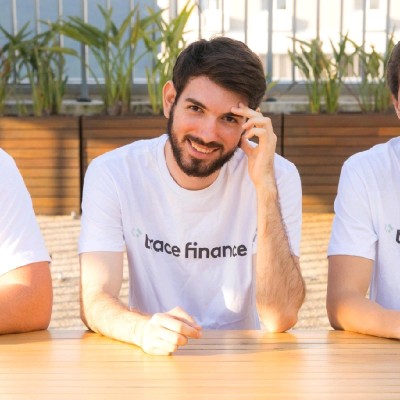

Rai Auad
Growth Manager at KAST