The Banking Playbook for Crypto in Brazil: Evolution, Integration, and Use Cases
How Brazil's leading banks are implementing concrete strategies for digital asset adoption
30min · Full recording from 18/03/2026 at MERGE Stage. Also available on YouTube.
The Banking Playbook for Crypto in Brazil: Evolution, Integration, and Use Cases
Hook
For years, Brazil’s banking industry watched from the sidelines as cryptocurrencies and digital assets grew exponentially. Today, that landscape has changed dramatically. Banks are not just paying attention—they’re actively developing comprehensive strategies to integrate these assets into their services. This panel explores the “playbook” that financial institutions are using to navigate the convergence between traditional finance and the crypto ecosystem.
What You'll Learn
- Banking Adoption Strategy: How Brazilian banks are structuring divisions and teams to incorporate cryptocurrencies in a safe and regulated manner
- Regulation and Compliance: Brazil’s regulatory framework for digital assets and how institutions ensure compliance
- Technical Integration: The infrastructure challenges of connecting legacy banking systems with modern blockchain platforms
- Real-World Use Cases: Concrete examples of crypto products and services that Brazilian banks are already offering to customers
- Risk Management: Strategies to mitigate operational, cybersecurity, and market risks in the crypto ecosystem
- Customer Experience: How financial institutions are educating customers and facilitating digital asset adoption
Session Summary
Evolution of the Crypto Market in Brazil: Brazil has positioned itself as one of Latin America’s most dynamic markets in terms of cryptocurrency adoption. With millions of retail users and a young, technologically sophisticated population, the country represents significant opportunity for financial institutions. This segment examines how institutional perception of cryptocurrencies has evolved from initial speculation to recognition as a legitimate asset class.
Institutional Strategy and Business Models: Panelists share the different strategies that financial institutions are implementing. Some create specialized divisions dedicated exclusively to crypto, while others integrate crypto services within traditional offerings. The panel explores the trade-offs between these approaches, considering corporate governance, risk management, and scalability factors.
Regulation, Licensing, and Compliance: Without clear regulation, traditional banks faced legal uncertainty. With Brazil’s evolving regulatory framework, institutions now have greater clarity on how to operate legally. This segment discusses licensing requirements, compliance standards, and how institutions are structuring operations to meet current and future regulatory expectations.
Technical Integration and Infrastructure: Connecting legacy banking systems with blockchain infrastructure presents significant technical challenges. Panelists discuss how institutions are solving interoperability problems, transaction speed, settlement, and digital asset custody. The panel also addresses architectural decisions about self-custody versus specialized custody providers.
Digital Finance Executive
With over 15 years in Brazil’s banking industry, this professional leads digital transformation initiatives at a top-tier financial institution. Has been instrumental in developing an organization’s cryptocurrency adoption strategy, overseeing everything from technology selection to product implementation.
Financial Regulation Specialist
Expert in regulatory frameworks for financial institutions in Brazil, with deep knowledge of legislation governing cryptocurrencies and digital assets. Has advised multiple institutions on navigating the regulatory landscape and engaged with regulatory authorities on policy development.
Blockchain Infrastructure Engineer
Technical leader responsible for architecture and development of blockchain solutions for banking integration. Combines experience with legacy financial systems with modern blockchain expertise, enabling design of solutions that work in both environments.
Watch the Full Panel
Complete recording of the “Banking Playbook for Crypto in Brazil” panel available on YouTube. Access the video for in-depth technical details, additional case studies, and live Q&A with the audience.
Frequently Asked Questions
What are the main risks banks face when adopting cryptocurrencies?
Risks include price volatility, operational risk from new technologies, cybersecurity risk, regulatory compliance, and reputational risk. Institutions are implementing robust risk management frameworks that include stress testing, asset segregation, and specialized insurance.
How long does it take a traditional bank to launch crypto services?
Timeline varies based on service complexity and existing bank structure. Some banks have launched basic services like Bitcoin trading within months, while more complex custody and staking platforms can take 12-18 months from concept to launch.
What types of customers are interested in crypto services from traditional banks?
Initially, sophisticated, high-net-worth clients. However, as products mature and understanding increases, banks are seeing growing demand from broader client segments, including retail investors.
How are banks approaching digital asset custody?
Some banks are developing self-custody solutions with banking-grade security standards, while others partner with specialized crypto custody providers. Both approaches have trade-offs between control, security, and scalability.






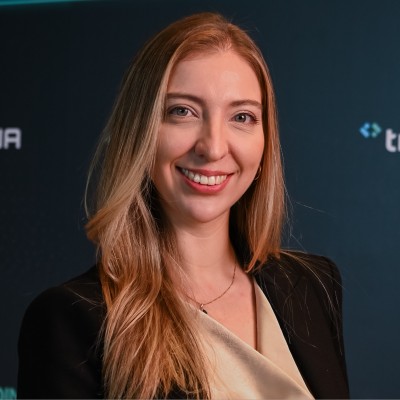

Cassio Gusson
Journalist at Cointelegraph