IA y Blockchain: la Nueva Generación de Servicios Financieros
Qubic, Algorand, Shakers y Giza, con moderación de CoinDesk, debaten cómo la IA y la blockchain transforman los servicios financieros: agentes, pagos, infraestructura, casos de uso reales y gobernanza
30min · Grabación completa del 09/10/2025 en Main Stage. También disponible en YouTube.
IA y blockchain: la nueva generación de servicios financieros
Resumen
¿Cómo se unen la IA y la blockchain para transformar los servicios financieros? En esta mesa redonda de MERGE Madrid, moderada por CoinDesk, Qubic, Algorand, Shakers y Giza debaten la infraestructura necesaria, el comercio agentic (agentes que pagan a agentes), los casos de uso realmente “bancables”, la fragmentación de DeFi y la gobernanza para que todo esto funcione con seguridad.
Qué vas a aprender
- Cuellos de botella: base de datos, TPS y cómo escalar para un mundo de agentes
- Comercio agentic: por qué cripto es el raíl de pago para que los agentes se paguen entre sí
- Seguridad de los agentes: autonomía limitada, identidad y mecanismos como el “flash rekeying”
- Casos de uso “bancables”: KYC, compliance y pagos inteligentes en problemas reales
- DeFi fragmentado: abstracción, smart accounts y custodia “blanda” para los agentes
- Gobernanza y futuro: el “stack de responsabilidad”, los sesgos y los agentes comerciales
Resumen de la sesión
Infraestructura y cuellos de botella: desde Qubic se señalan la base de datos y el throughput como límites para soportar muchos agentes, y se describe su enfoque (memoria RAM, cientos de validadores y un “tejido inteligente”) para alcanzar un rendimiento muy alto.
Comercio agentic: desde Algorand se defiende que, en un mundo de millones de agentes que se pagan entre sí, cripto es el único raíl viable, con requisitos no negociables como la finalidad instantánea y los atomic swaps para evitar el riesgo de contraparte.
Seguridad de los agentes: se explica cómo dar a los agentes una autonomía limitada mediante identidad (DIDs y credenciales verificables ligadas a un humano), monitorización y mecanismos on-chain como el “flash rekeying”, que da control temporal a un agente dentro de límites.
Casos de uso reales: desde Shakers se comparte la búsqueda de aplicaciones “bancables” que resuelvan problemas simples (KYC, compliance y pagos inteligentes entre empresas y freelancers), donde la IA aporta contexto y la blockchain seguridad.
DeFi fragmentado: desde Giza se aborda la fragmentación de la liquidez entre redes y cómo una capa de abstracción con smart accounts y custodia “blanda” permite a los agentes operar sin claves privadas, dentro de límites y consumiendo datos on-chain de forma sencilla.
Gobernanza, riesgos y futuro: se debate un “stack de responsabilidad” (identidad, políticas, monitorización e incidentes), el riesgo de sesgos y la necesidad de descentralización y contexto; y se anticipa un futuro de agentes comerciales (merchant vs shopping agents), bancos presionados por las stablecoins y agentes de trading.
Ver la ponencia completa
Mira la grabación completa en el canal de YouTube de MERGE, con Qubic, Algorand, Shakers y Giza sobre IA y blockchain en los servicios financieros.
Preguntas frecuentes
¿Por qué cripto es clave para el comercio agentic?
Porque, según el panel, permite que los agentes se paguen entre sí de forma instantánea y barata, algo inviable con los rieles bancarios tradicionales.
¿Cómo se evita que un agente “se descontrole”?
Con autonomía limitada: identidad ligada a un humano, políticas en smart contracts, monitorización y mecanismos como el flash rekeying que acotan lo que el agente puede hacer.
¿Cuáles son los primeros casos de uso “bancables”?
Según el panel, el KYC y compliance y los pagos inteligentes, donde la IA aporta contexto y la blockchain seguridad.
¿Esto es asesoramiento de inversión?
No. Este contenido es informativo y resume opiniones expuestas en la mesa redonda; no constituye asesoramiento de inversión. Consulta con un profesional para tu caso concreto.
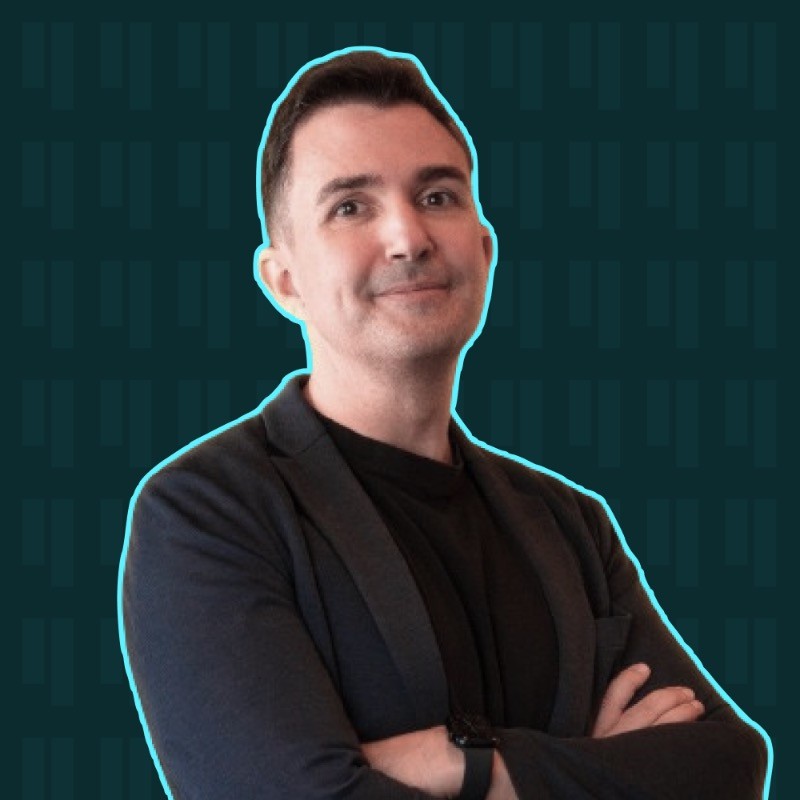





Soledad Contreras
Head of Partnerships, EMEA & APAC en CoinDesk