Banks and Crypto: Real Demand, Implementation and Lessons
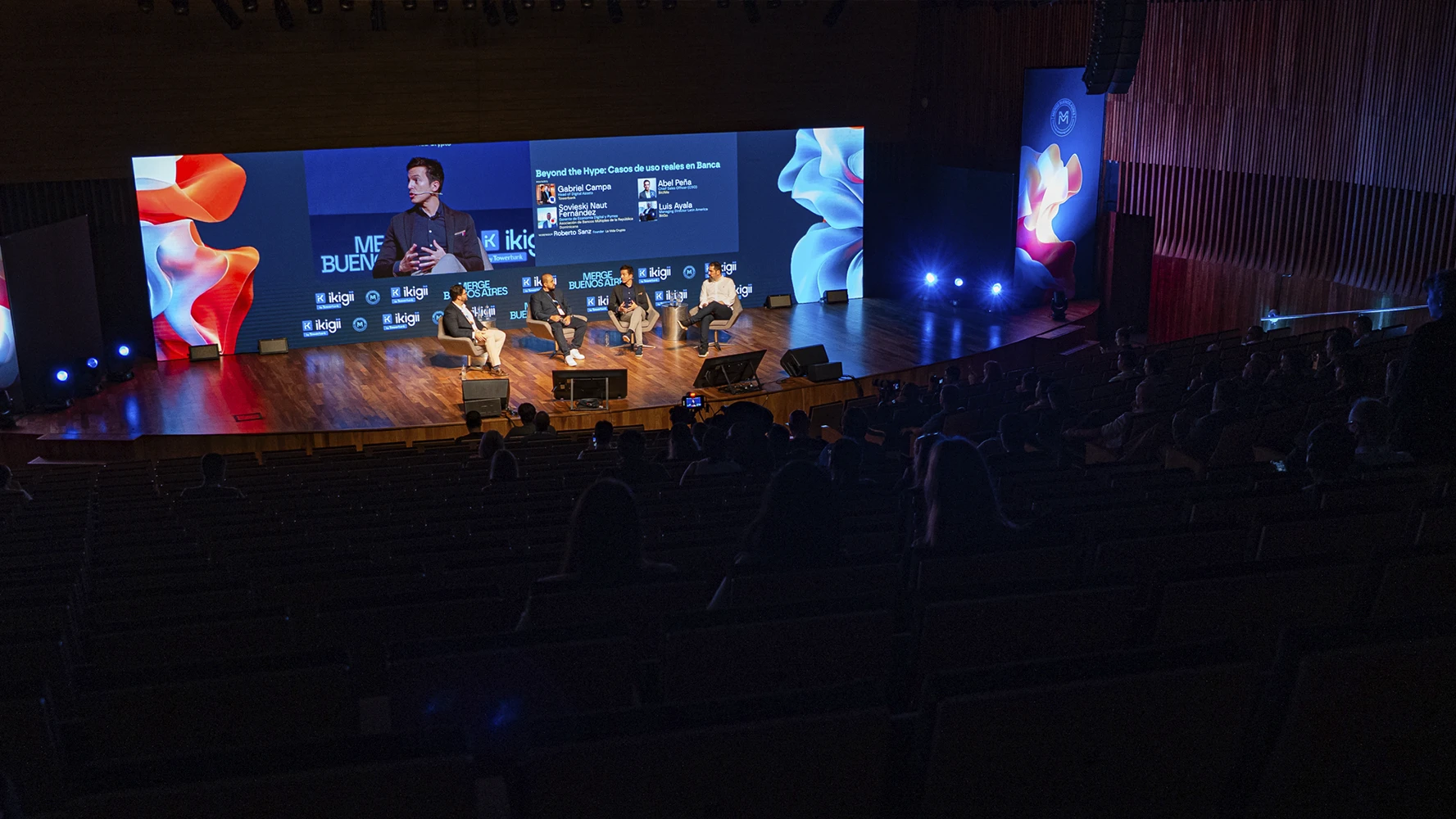
Crypto Finance, Openbank and Bison Bank explain at MERGE Madrid 2026 how they brought crypto assets into a bank: why they took the step, what clients expect, the internal challenges of implementation and what they would do differently
30min · Full recording from 27/10/2026 at Institutional Summit Stage. Also available on YouTube.
Banks and crypto: from curiosity to real demand, told by those who have already implemented it
Overview
What leads a bank to offer crypto assets and what does it find along the way? In this MERGE Madrid 2026 session, Crypto Finance, part of Deutsche Börse Group, reviews how the sector has evolved in banking and talks with Openbank and Bison Bank, two institutions that have already done it. They explain what convinced them, how client expectations have changed, where the difficulties lay and what they advise other banks.
What you'll learn
- Ten years of crypto in banking: from the first trading services to stablecoins and tokenization
- Pressure from native platforms: why they push the financial system towards 24/7
- Why enter: clients, regulation and strategy in Openbank's case
- Being first: Bison Bank's bet on digital assets
- Two types of client: those from the crypto world and traditional investors
- Lessons: aligning the whole organisation, training and applying banking standards
Session summary
Crypto Finance's view: the company recalls that when it started bringing crypto assets into banks there were hardly any rules and that today MiCA exists. That work led to uses such as weekend settlement with stablecoins and, later, tokenization. In its view the future lies not in tokenizing existing products but in moving the financial system onto the blockchain, and for some time a hybrid market infrastructure will coexist. It warns that each initiative must solve a client problem: if a new payment rail is not faster or cheaper, it will not last.
Why Openbank took the step: Santander Group's digital bank sums it up in three reasons. Clients were showing their interest in the worst possible way, by buying elsewhere. MiCA acted as an enabler. And the strategy of being a neobank of trust called for crypto as one more digital product, alongside mortgages, cards or funds. Openbank launched the service last year, first in Germany and then in Spain, and highlights that belonging to a large group and choosing the right technology partner allowed it to move fast.
Bison Bank's bet: the Portuguese private bank explains that it entered years ago, when almost no bank was looking at this sector, and that being among the first with a licence gave it international visibility. Its second reason is the technology: it believes that in ten or fifteen years the financial sector will run on blockchain, with more efficiency, more trust and more control for regulators.
Two types of client: Bison Bank distinguishes those coming from the crypto world, used to holding their own assets and who find it hard to see what a bank adds, from those coming from traditional finance, who need a lot of training and see these assets as a way to diversify. Openbank sees something similar: it is ahead of plan with traditional investors, while with native ones it has had to adjust pricing and features.
The challenges of implementation: for Openbank, neither the regulator nor the technology was the problem. The hard part was aligning the whole organisation at the same time. Bison Bank agrees and adds training the entire chain: clients, regulator, audit, risk, compliance and sales.
What they would do differently and their advice: Openbank argues that the fears beforehand, including reputational ones, were overestimated and did not materialise, and that it would have organised its launch timeline better. Bison Bank recommends putting yourself in the regulator's shoes before presenting the project and always applying the most demanding banking standards.
Watch the full talk
Watch the full recording on MERGE's YouTube channel, with Crypto Finance, Openbank and Bison Bank on how to bring crypto assets into a bank.
FAQs
Why does a bank decide to offer crypto assets?
According to Openbank, because its clients were already buying them on other platforms, because MiCA makes it easier and because it fits its strategy of offering every product in one place.
What is the hardest part of implementation?
According to both banks, not so much the technology or the regulator as aligning and training every area of the organisation.
How do clients react?
According to the panel, traditional investors value being able to do it with a bank they trust, while native clients are more demanding on pricing and features.
What advice do they give other banks?
According to Bison Bank, apply the best banking standards from the start; according to Openbank, do not overestimate the risks of the unknown and plan launches well.