Blockchain Beyond Finance: Textile Traceability and Transmedia
MicelioData and a transmedia project present at MERGE Madrid 2026 uses of digital infrastructure beyond finance: a data space to trace the textile supply chain ahead of European regulation and a model to fund and share ownership of audiovisual projects
30min · Full recording from 29/10/2026 at MADRID Stage. Also available on YouTube.
Blockchain beyond finance: textile traceability and transmedia
Overview
What happens when decentralisation and digital assets are brought into highly fragmented sectors far from finance? In this MERGE Madrid 2026 session, two projects show uses of this infrastructure beyond the crypto world: MicelioData presents a data space for the textile industry that makes it possible to trace the supply chain ahead of European regulation without losing control of the information, and a second project proposes a transmedia model to validate, fund and share the ownership of audiovisual projects.
What you'll learn
- A fragmented sector: why the textile supply chain does not share its data well
- Data space: tracing the chain without giving up control of the information
- Why now: the European regulation that will require traceability
- Data sovereignty: identity, usage policies and peer-to-peer exchange
- Transmedia: validating and funding an audiovisual project with its audience
- Sharing ownership: how to assign rights to those who contribute
Session summary
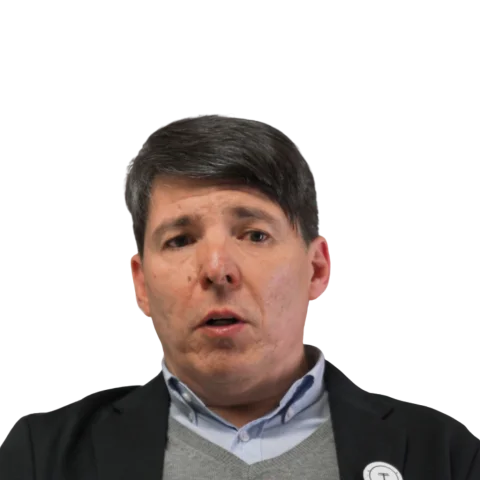
The textile problem: MicelioData describes a highly fragmented industry, with many actors, platforms and countries, in which data exists but does not flow well and no one wants to give up their competitive advantage. A supplier uploads the same file again and again to different portals and a brand chases its chain to verify the information. The result is poor traceability just as European regulation is about to require this data to be traceable.
What MicelioData proposes: the company presents itself as Europe's first textile data space, built on decentralisation and digital assets and aligned with European standards. It collects data from any link (suppliers, dyeing, raw materials, customs, services), transforms it, turns it into digital assets with verifiable credentials and publishes it in a space that works like a data marketplace. It compares this with what happened in finance when different actors began to look at the same price in a common place.
Sovereignty and architecture: its difference from a blockchain, it says, is that each participant always keeps control over its data and sets a policy for who accesses what. It describes three planes: identification, with an identifier for each participant and credentials for each asset; control, where policies are defined in machine-readable form; and data, with direct peer-to-peer exchange with no intermediaries. It says it already works with large manufacturers in Bangladesh and Turkey, that it onboards suppliers for free to build critical mass and sells access to brands, which need it to comply with regulation, with the aim of extending the infrastructure to other sectors such as batteries, automotive and electronics.
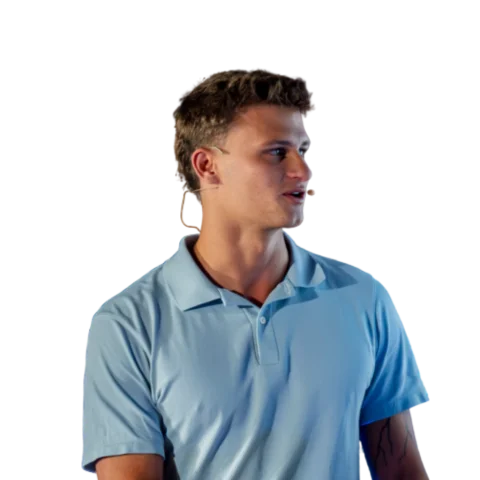
A transmedia project: the second speaker, a filmmaker, sets out the usual problems of making films: validating ideas before producing them, gathering an audience and funding, and fairly sharing ownership among those who contribute to a work. His proposal is a platform that validates projects from very short concepts and that starts with a first project of his own, with a “merchandising first” approach to fit with regulation. He explains a “pay what you want” scheme with a limited number of items, so that the participating audience gets a share of the ownership and creators and artists have their allocation. He uses the Solana network so that these rights do not live in a spreadsheet but are recorded on chain, and proposes taking the same concept from podcast to video game and then to film.
The shared idea: both projects share a message: the decentralisation, identity and digital asset infrastructure used in finance can be applied to other sectors, from industrial traceability to audiovisual creation.
Watch the full talk
Watch the full recording on MERGE's YouTube channel, with MicelioData and a transmedia project on uses of digital infrastructure beyond finance.
FAQs
What is a textile data space?
According to MicelioData, a place where supply chain actors publish and share traceable data while keeping control over their own information.
Why now?
Because, according to the company, European regulation will require each product's chain to be traceable, starting with textiles.
How does it differ from a blockchain?
According to MicelioData, each participant keeps sovereignty over its data and defines an access policy, instead of sharing everything.
What does the transmedia project propose?
Validating and funding audiovisual works with the audience and sharing ownership among contributors, with the rights recorded on chain.