Crypto Funds and ETPs: Active Management, ETFs and Tokenization
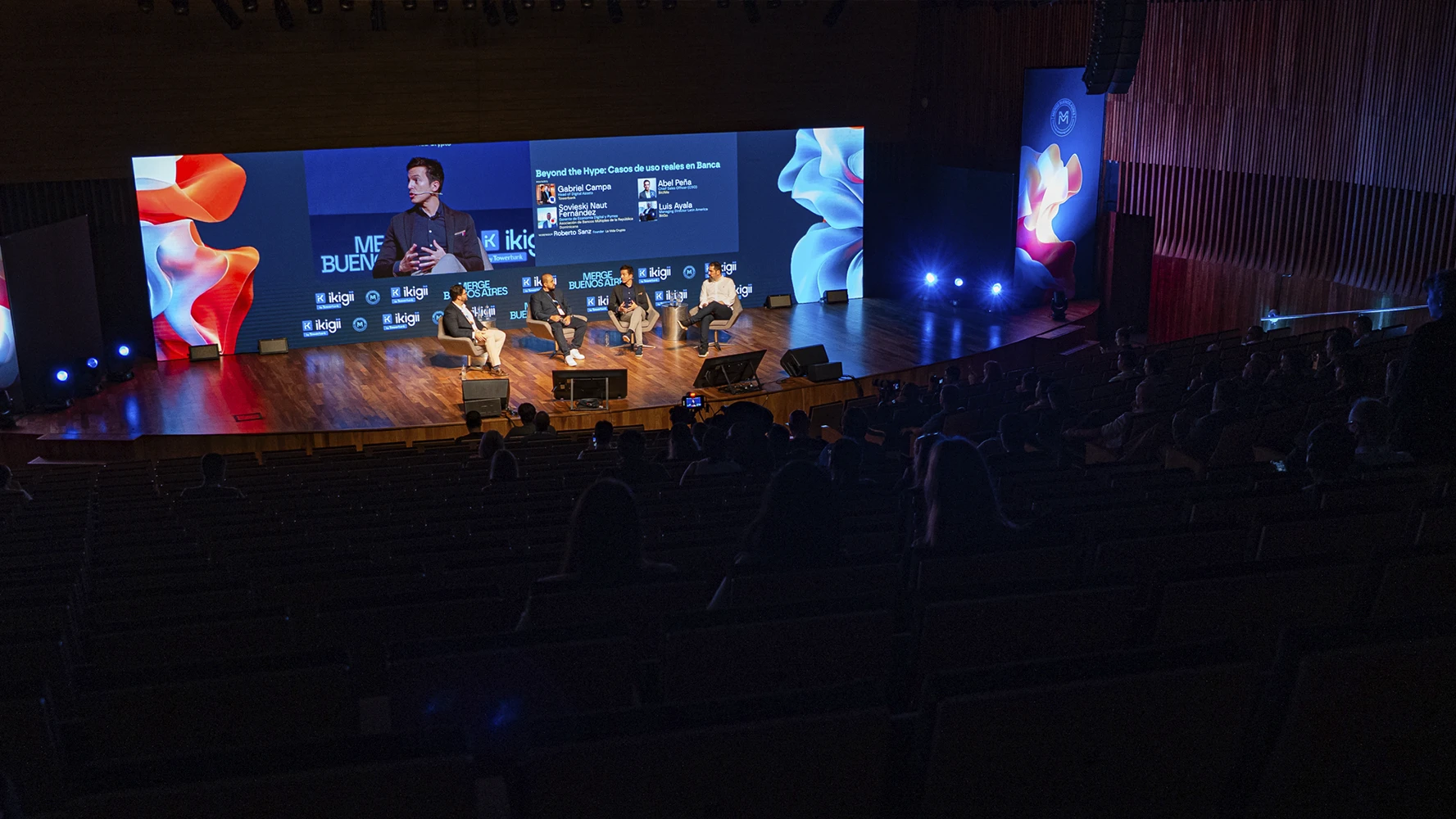
Renta 4, a digital asset hedge fund, a market analyst and a decentralized finance academy discuss at MERGE Madrid 2026 how to invest in crypto: self-custody or product, active management, ETFs and tokenization
40min · Full recording from 29/10/2026 at MERGE Stage. Also available on YouTube.
Crypto funds and ETPs: active management, ETFs and tokenization
Overview
Does it make sense to invest in crypto-assets through a fund or an ETP instead of doing it directly from a wallet? In this MERGE Madrid 2026 panel, Renta 4, the manager of a digital asset hedge fund, a market analyst and the founder of a decentralized finance academy debate, not always in agreement, self-custody, active management, the real role of ETFs and what tokenization changes for investors.
What you'll learn
- Self-custody or product: why no method fully removes third-party risk
- Active management in crypto: asset selection, rebalancing and timing, with arguments for and against
- ETFs and institutions: who is really behind the flows
- Portfolio weight and correlation: how much risk a small position adds and whether crypto diversifies
- Tokenization: what will be tokenized first and what practical advantages it offers
- Regulated products: what a hedge fund vehicle or an ETP can and cannot buy
Session summary
A room that invests on its own: the panel opens with a show of hands: the vast majority invest directly from their wallet and only a few do so through ETFs or other products.
Self-custody or product: the hedge fund manager argues that, just as nobody buys a single stock on the equity market, a diversified portfolio of digital assets makes more sense. The Renta 4 speaker adds that self-custody does not remove third-party risk either, because you depend on the maker of the device or the software, and that each investor should choose the vehicle that fits how they invest.
The value of active management: Renta 4 places that value in selection, rebalancing and, above all, timing, and notes that the market depends more and more on macroeconomic factors, global liquidity and ETF flows than on the halving cycle. The hedge fund manager adds that crypto is an inefficient market where value analysis can make a difference. The analyst is cautious: missing the best days in the market is costly.
ETFs and institutions: the analyst challenges the idea that ETF flows are dominated by institutional investors: according to the regulatory filings he cites, they still account for a minority share, and in Europe volume remains small compared with the United States.
Portfolio weight and correlation: this is the point of greatest disagreement. The analyst maintains that a small Bitcoin position adds disproportionate risk and that the largest crypto-assets are correlated with equities; the hedge fund manager replies that a diversified basket moderates that risk and that in recent months it has indeed provided diversification.
Tokenization: the academy founder sees tokenized assets as the entry route for traditional investors, thanks to 24/7 trading and the ability to use them as collateral. The analyst warns that the first things to be tokenized will be existing financial markets, such as money market funds, and that small projects will not have liquidity in the medium term. The moderator notes that clear use cases for the general public are still missing.
Limits of regulated products: Renta 4 explains that its fund can only invest in crypto through ETPs and restricts itself to large-cap assets, which narrows the universe but adds safety. The hedge fund manager describes an ETP that invests in assets listed on traditional markets with daily liquidity. The panel closes without consensus on whether the bear market is over.
Watch the full talk
Watch the full recording of the panel on MERGE's YouTube channel, with Renta 4 and other specialists on funds, ETPs, active management and tokenization in crypto-asset investing.
FAQs
Is self-custody safer than a fund or an ETP?
According to the panel, no method is infallible: with self-custody you depend on the hardware and software, and with a regulated product, on the issuer and the custodian. The choice depends on each investor's profile.
What does active management add in crypto-assets?
Its advocates cite asset selection, rebalancing, timing and risk management; its critics point to how hard it is to get entries and exits right in such a volatile market.
What does tokenization change for investors?
According to the speakers, it makes it possible to trade traditional assets around the clock and use them as collateral with less friction, although liquidity will concentrate first in the large markets.
Is this investment advice?
No. This content is informational and summarizes what was presented in the panel; it does not constitute investment or legal advice. Consult a professional for your specific situation.




Vicente Varo
Director General at Finect