European Competitiveness and MiCA: Capital, Licensing and ESMA
CySEC, OSL, AMINA and Invity discuss at MERGE Madrid 2026 what MiCA authorisation has taught and what Europe needs to compete: access to capital, simplification, proportionality for smaller firms and ESMA supervision
30min · Full recording from 29/10/2026 at MERGE Stage. Also available on YouTube.
European competitiveness and MiCA: capital, licensing and ESMA supervision
Overview
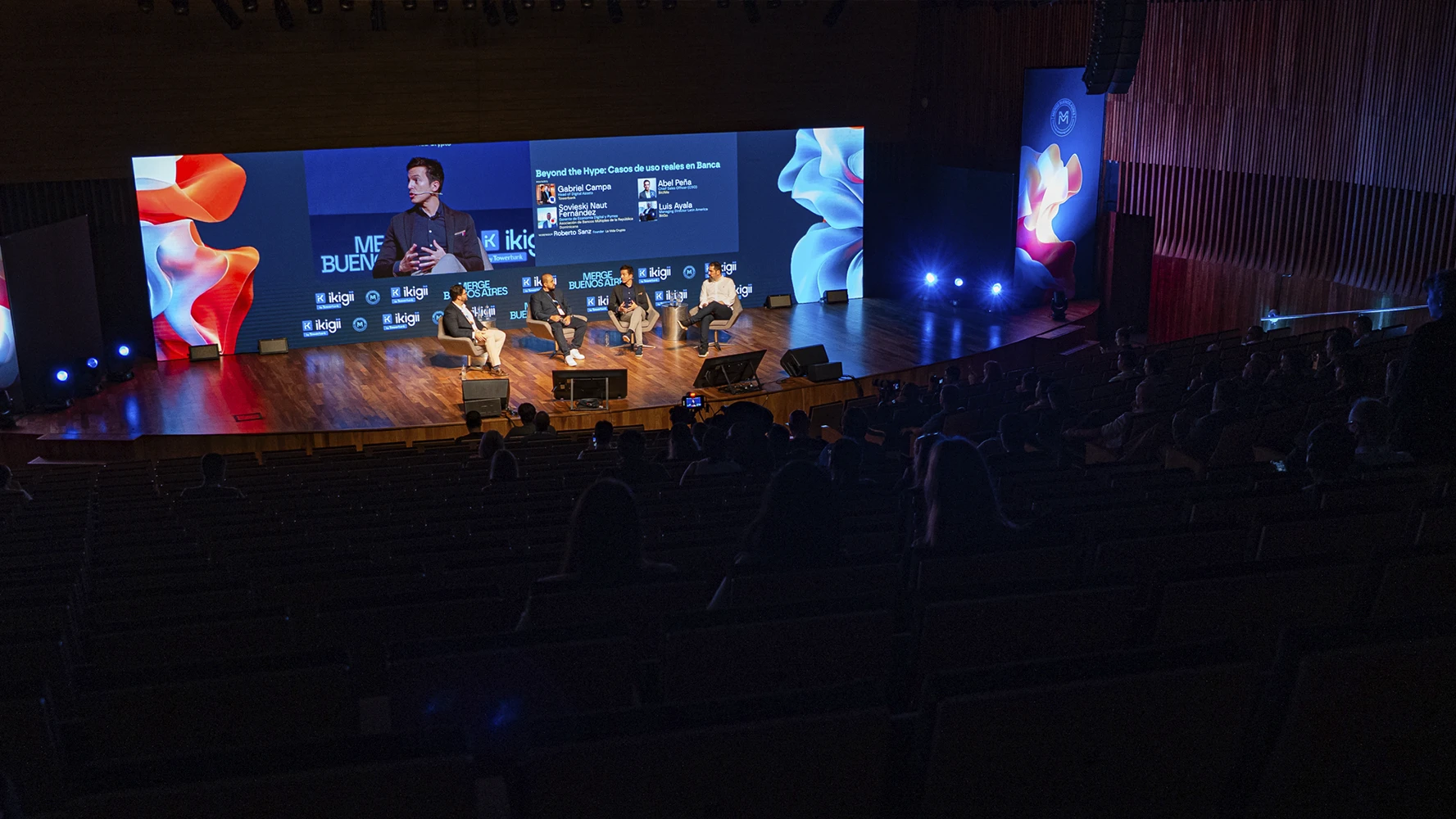
Can Europe compete for capital and for digital asset companies with the rules it has set itself? In this MERGE Madrid 2026 panel, Cyprus's securities supervisor (CySEC), OSL, AMINA and Invity take stock of the first authorisation processes under MiCA, with the experience of a supervisor, international groups and a small company. They discuss access to funding, what decides where a group sets up, the administrative burden and who should supervise crypto-asset service providers.
What you'll learn
- Market integration: why the European package is seen as necessary but not sufficient
- Access to capital: the main obstacle for a company to grow in Europe
- Choosing a jurisdiction: ecosystem, access to banking, talent and predictability
- Europe's strengths and brakes: legal certainty versus speed and cost
- Proportionality: how MiCA affects small companies
- Supervision: which entities ESMA should supervise and which the national authorities
Session summary
Necessary but not sufficient: the Cypriot supervisor recalls that the European reports on competitiveness created urgency around deeper, more liquid and less fragmented capital markets. That is the origin of the Commission's market integration and supervision package, which covers trading, post-trading, asset management, supervisory governance and innovation. In his view it goes in the right direction but is not enough: pensions, taxation, insolvency and company law also need harmonising, along with more financial literacy and a different risk culture, and that depends on the member states.
Capital as the main obstacle: between regulation, fragmentation and funding, the supervisor singles out access to capital as the biggest problem for scaling. European regulated markets are fragmented and shallow, so a successful company tends to list in the United States. The moderator notes that many Europeans made their first investment in crypto assets through platforms outside the Union.
How an international group decides: OSL EU, the European subsidiary of a group of Asian origin authorised under MiCA in Austria, believes regulation no longer makes the difference, because the major hubs all have credible rules and getting a licence is not easy in Singapore or Dubai either. What weighs more is the ecosystem, access to banking and talent, and the predictability of the rules. It acknowledges that in Europe, until recently, even a licensed entity struggled to open a bank account, although it sees clear improvement. It asks for a lighter administrative burden, for example not requiring the same from professional clients as from retail ones.
A safe place to build: AMINA, a digital asset banking group present in several jurisdictions, argues that Europe does not compete on innovation speed but is one of the safest places to build regulated infrastructure. Common compliance standards and clearer capital requirements give financial institutions a certainty they do not find in other markets. The brakes are the cost for small companies and requirements such as the double licence needed to work with stablecoins.
What MiCA does well and what does not scale: Invity, a smaller Czech company, values the protection of client assets, the record-keeping and audit obligations and the requirement for clear and not misleading communication. Its criticism is that the regulation does not distinguish by size: a small company bears the same burden as a large global exchange, including on digital operational resilience, and some obligations, such as environmental reporting, add little for the client in its view. More rules, it says, do not always mean more protection.
Who should supervise: the speakers agree that ESMA should supervise significant entities or those with the most cross-border activity, and the national authorities the rest, because of their proximity and knowledge. Invity recalls the high volume of applications the Czech regulator received and the advantage of dealing with a supervisor that is close and speaks your own language. The Cypriot supervisor warns that centralising everything would create inefficiencies. OSL adds that, after authorisation, supervisors need to check with the same criteria that governance and asset segregation work in practice.
Banks and infrastructure: for banks to come in without building everything from scratch, AMINA explains that they need to rely on providers that already have the licence, the expertise and the infrastructure, something MiCA's harmonisation makes easier. That is why it asks that such infrastructures do not face disproportionate barriers to getting authorised in Europe. The panel closes on two shared ideas: simplify and apply proportionality.
Watch the full talk
Watch the full recording of the panel on MERGE's YouTube channel, with CySEC, OSL, AMINA and Invity on the lessons from MiCA authorisation and Europe's competitiveness.
FAQs
Is regulation enough for Europe to have deeper capital markets?
According to the Cypriot supervisor, no. The European package is necessary, but pensions, taxation and insolvency also need harmonising and the investment culture has to change.
What weighs most when choosing where to set up?
According to OSL, more than regulation, the ecosystem: access to banking, talent and predictable rules.
What do small companies criticise about MiCA?
According to Invity, that it does not distinguish by size and that the administrative burden is the same as for a large global exchange.
Who should supervise crypto-asset service providers?
According to the panel, ESMA for significant entities and the national authorities for the rest, with aligned supervisory criteria.





Almudena de la Mata
Managing Partner at BlockchAIn Intelligence