Crypto Liquidity: Banks, Exchanges and Tokenized Assets
BBVA, Bit2Me and Bullish analyze at MERGE Madrid 2026 the role of liquidity in crypto: in-house and third-party sources, serving banks, real volume, the October 10 crash and tokenized assets
30min · Full recording from 28/10/2026 at MERGE Stage. Also available on YouTube.
Crypto liquidity: banks, exchanges and tokenized assets
Overview
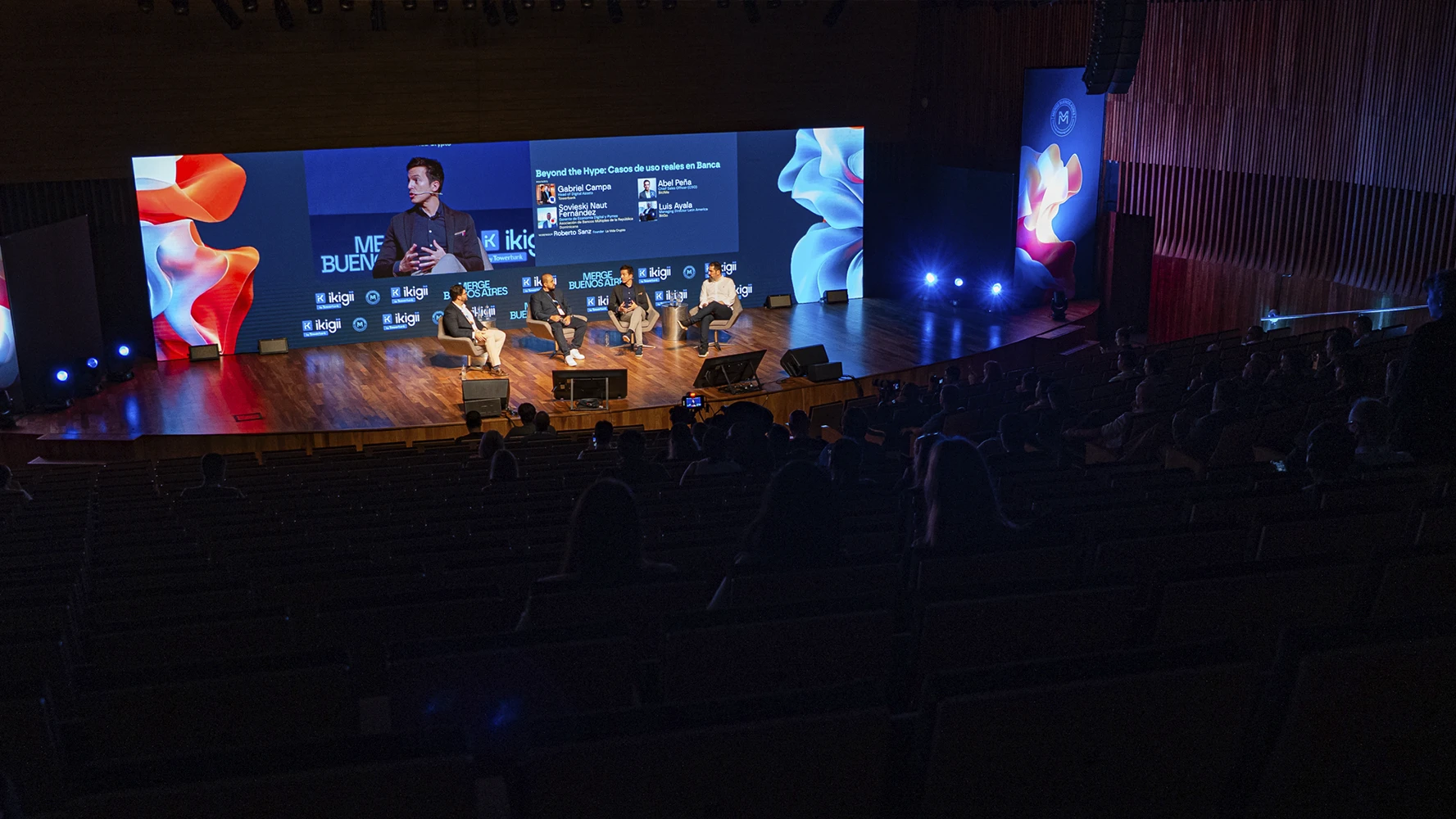
Where does liquidity come from when a client buys crypto-assets at their bank, and what happens when the market is under stress? In this MERGE Madrid 2026 panel, BBVA, Bit2Me and Bullish walk through the whole chain, from the bank to the institutional exchange, and explain how they manage liquidity, how much market volume is real and what is still missing for tokenized assets to have a liquid market.
What you'll learn
- Fragmented liquidity: why in crypto it is spread across centralized and decentralized exchanges and how that affects price
- In-house or third-party: when a bank creates its own liquidity and when it relies on providers
- Serving institutions: what banks value beyond market depth
- Extreme events: the lessons of the October 10 crash and how to protect the client
- Real volume: why public figures do not match and what listed companies contribute
- Tokenized assets: 24/7 trading of shares, markets for mid-sized companies and regulatory limits in Europe
Session summary
Highly fragmented liquidity: BBVA explains that in crypto liquidity is spread across many centralized and decentralized exchanges, and that without market depth prices vary more and the client suffers. The bank creates its own liquidity in markets where it has volume, because the cost is lower, and turns to third parties elsewhere.
From retail to institutions: Bit2Me notes that serving financial institutions means fitting into their compliance, their risk framework, their custody setup and their best execution policy. It works with banks through direct integration or through its alliance with CECABANK, which provides custody while Bit2Me handles execution.
A single order book: Bullish, an institutional-only exchange, describes its model: one order book for the whole world and an automated market maker running on its own capital, which according to the company lets it keep spreads tight even at times of peak volatility.
The October 10 crash: looking back at the day when close to 20 billion dollars evaporated, Bit2Me stresses that preparation comes long before: not depending on a single source of liquidity. BBVA adds consumer protection, with warnings and limits so that orders are not executed above a certain spread.
How much volume is real: the speakers agree that aggregator figures do not match each other and that it is hard to tell client activity from internal movements. Listed companies, which are required to disclose their activity, help reveal the true size of the market.
What a bank requires from a provider: according to BBVA, licenses and regulation, anti-money laundering, DORA compliance, ease of integration with standard protocols such as FIX, service level and price.
Tokenized assets: Bullish explains that it has agreed to buy the transfer agent Equiniti to tokenize US equities and trade them 24/7, although a great deal of capital will be needed. Bit2Me announces the license for Bit2Me STX, its market for tokenized shares and bonds for mid-sized companies with atomic settlement. BBVA points out that in Europe the limits of the pilot regime and the lack of secondary markets are still holding back volume.
Watch the full talk
Watch the full recording of the panel on MERGE's YouTube channel, with BBVA, Bit2Me and Bullish on liquidity in crypto-asset and tokenized asset markets.
FAQs
Why is liquidity so important in crypto markets?
According to the panel, because without market depth prices vary widely and the spread between buy and sell widens, which the end client ends up paying for.
How does a firm prepare for a sharp market drop?
According to the speakers, by connecting in advance to several sources of liquidity and giving clients warnings and mechanisms to avoid executing when the spread blows out.
What does a bank look at when choosing a liquidity provider?
According to BBVA, that it is regulated, its anti-money laundering processes, DORA compliance, ease of integration, service level and a competitive price.
Is this investment advice?
No. This content is informational and summarizes what was presented in the panel; it does not constitute investment or legal advice. Consult a professional for your specific situation.
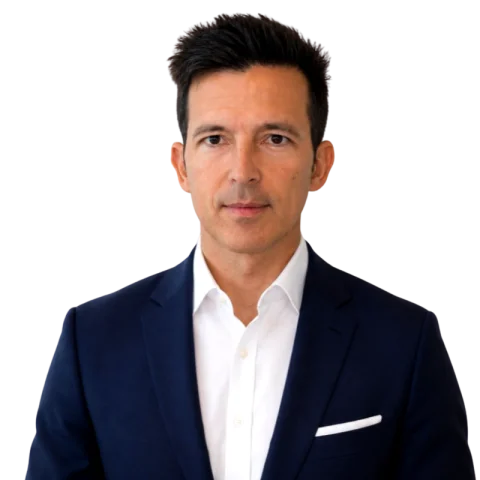




Jorge Soriano
CEO at Criptan