Tokenization in 2026: Real Estate, Hotels and El Salvador
Reental, Estating, Metlabs and an advisory firm from El Salvador explain at MERGE Madrid 2026 what is really being tokenized: real estate, hotels, debt and commodities, business models and the pace in Spain
40min · Full recording from 28/10/2026 at MERGE Stage. Also available on YouTube.
Tokenization in 2026: what is really being tokenized
Overview
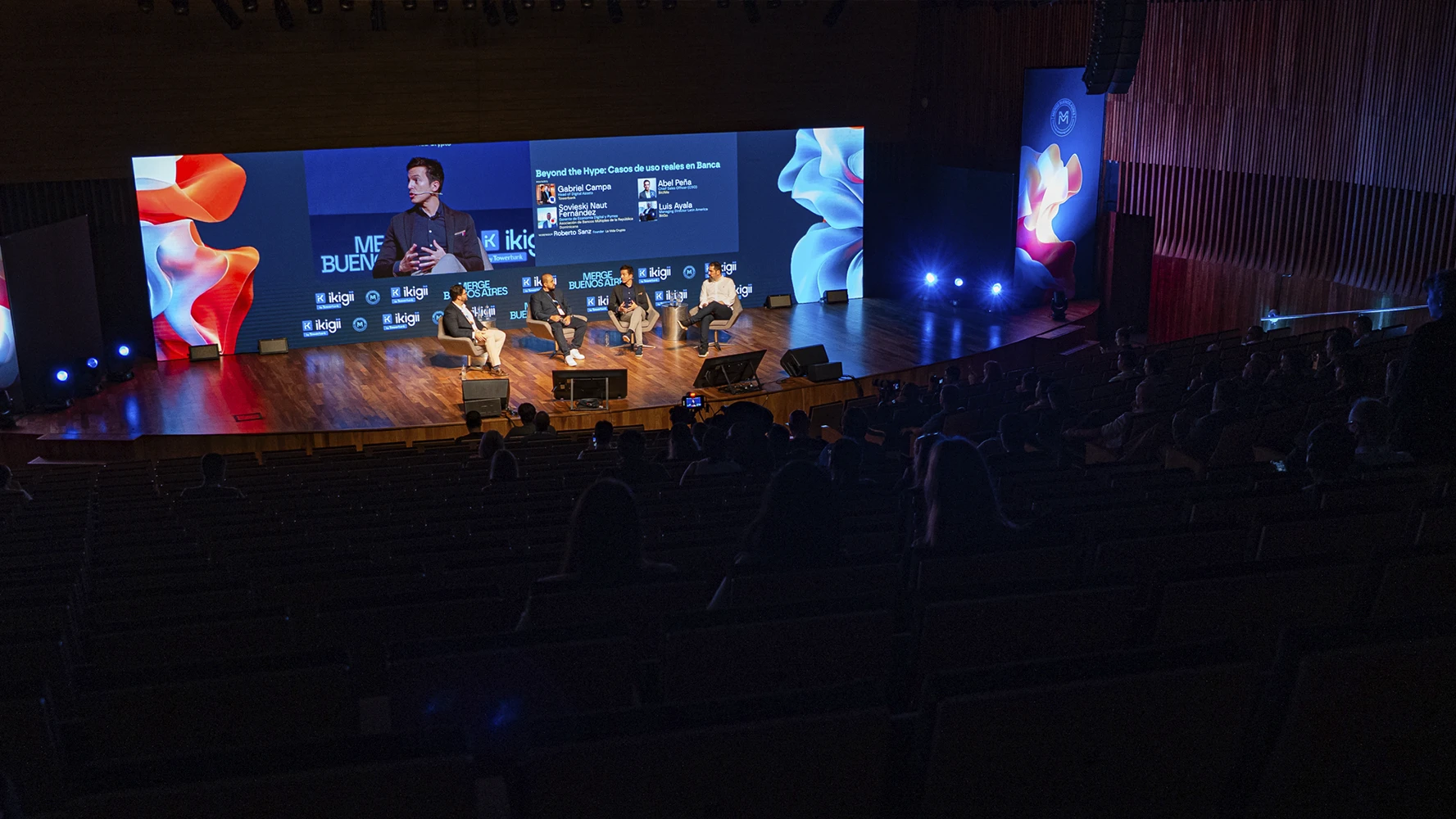
Which assets are actually being tokenized in 2026, and what is still missing for them to reach any investor's portfolio? In this MERGE Madrid 2026 panel, Reental, Estating, Metlabs and an advisory firm from El Salvador share concrete cases in real estate, hotels, bank debt and commodities, explain how each link in the chain makes money and compare the pace in Spain with other markets.
What you'll learn
- Why it still needs explaining: a technical word, associated with cryptocurrencies, that should give way to talking about benefits
- What is being tokenized: real estate, hotels, bank bonds, corporate debt, gold and agricultural production
- Business models: fees for fundraising, management, structuring, consulting and technology
- Institutional underlying: the role of securitization and of a security with an ISIN behind the token
- The El Salvador case: a specialist regulator and banks with digital asset licenses
- Spain: why it is moving more slowly and what entrepreneurs are asking for
Session summary
A word that still needs explaining: the speakers agree that tokenization is a technical term and that what matters are its benefits, just as nobody explained the technology when people moved from SMS to instant messaging. Reental adds two obstacles: a limited investment culture and the automatic association with cryptocurrencies.
What is being tokenized in El Salvador: the Salvadoran advisory firm describes recent bank issuances, tokenized bonds replacing commercial paper programs, agricultural commodities, gold, corporate debt, and real estate and social housing projects. It sums up tokenization in two goals: financial efficiency and alternative financing.
The whole real estate value chain: Reental says that, starting in 2021, it had to build everything from origination to distribution and create a community of investors that did not exist. It charges a fee on the amount raised and a management or success fee, and issues on public networks so the token can have liquidity or be used as collateral in other protocols.
The institutional underlying: Estating securitizes institutional real estate projects and issues them as a security with an ISIN, which can be placed in a traditional securities account or in token form. It argues that the technology is already proven, that what matters is structuring the asset well and that artificial intelligence agents will accelerate demand for digitized assets.
The alliance and hotels: Reental and Estating explain that they have been working together for two years, with six projects and more than eleven million invested, and have now created a framework to scale. Hotel products are the ones that have performed best with investors.
Technology and distribution: Metlabs recounts its shift from software developer to consulting and a product for issuing tokenized financial instruments across several jurisdictions, and points to distribution as the main challenge. It works mostly outside Spain, in Latin America and the United States, and is preparing a solar park project in Spain.
Spain and the lesson of the underlying: the panel sees Spain as slower because it is a highly banked country where tokenization is an add-on, and points to stablecoin holders as a new type of client. From El Salvador comes the reminder of a hotel issuance that was never funded because the underlying was badly designed, along with a call to recognize issuances across markets.
Watch the full talk
Watch the full recording of the panel on MERGE's YouTube channel, with Reental, Estating and Metlabs on what is being tokenized in 2026 and how investors get access.
FAQs
Which assets are being tokenized in 2026?
According to the panel, mainly real estate and hotels, debt issuances by banks and companies, commodities such as gold or agricultural production, and energy projects.
How do tokenization companies make money?
According to the speakers, through fees on capital raised, management or success fees, fees for structuring and advising on the issuance, and technology charges.
Why is tokenization moving more slowly in Spain?
According to the panel, because it is a highly banked market with many alternatives, because of a more cautious mindset among institutions and because other countries have a greater need for capital.
Is this investment advice?
No. This content is informational and summarizes what was presented in the panel; it does not constitute investment or legal advice. Consult a professional for your specific situation.





Covadonga Fernandez
CEO at Observatorio Blockchain