MiCA Review: Scope, Supervision, Stablecoins and DeFi
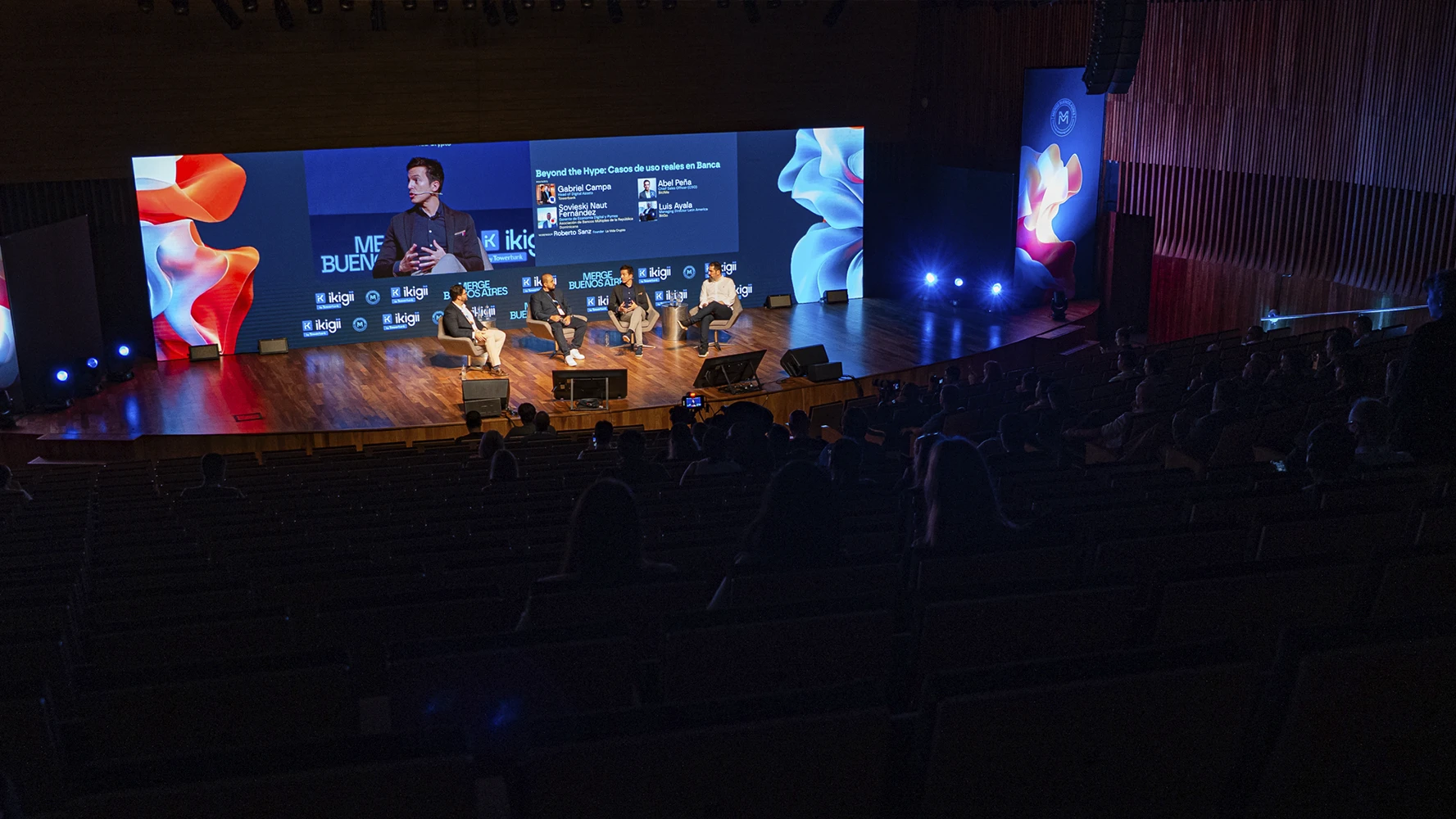
Spain's CNMV and three other European supervisors, including those of Italy and Luxembourg, discuss the MiCA review at MERGE Madrid 2026: which services to include, how to supervise cross-border groups, stablecoins, tokenized markets and investors
40min · Full recording from 29/10/2026 at MERGE Stage. Also available on YouTube.
MiCA review: what supervisors think about scope, supervision, stablecoins and DeFi
Overview
Will there be a MiCA 2.0 or just adjustments? In this MERGE Madrid 2026 panel, Spain's securities regulator, the CNMV, and three other European supervisors, including those of Italy and Luxembourg, go through the four blocks of the European Commission's consultation on the MiCA review: the scope of the regulation, supervision and stablecoins, tokenized markets and investor protection. The shared message is that no revolution should be expected, but targeted changes and more supervisory convergence.
What you'll learn
- Not a MiCA 2.0: why supervisors talk about a review rather than a new generation
- Lending and staking: the proposal to treat them as ancillary services without a new authorisation
- Decentralised finance: caution, proportionality and accountability of the provider giving access
- Cross-border supervision: common data, shared intelligence and faster powers
- Stablecoins: multi-issuance, safeguards and the weight of the dollar
- Tokenized markets: the lack of a common legal treatment of tokens
Session summary
Review, not revolution: the moderator sets the scene: the Commission's consultation came shortly after the transitional period ended, and in parallel a European package is being negotiated that rethinks who supervises providers. The CNMV considers it misleading to talk about MiCA 2.0, because it was known from the start that the scope would have to be reviewed.
Which services to include: the CNMV argues that lending, borrowing and staking should come within the scope of the regulation, but as ancillary services that do not require a new authorisation, with minimum requirements on transparency and complaints. The Italian supervisor calls for durable legislation that does not chase every innovation: targeted adjustments, for example to definitions that are not being used today, and more capacity for the European markets authority to achieve common criteria, always looking at the economic substance of the product.
Decentralised finance: the Italian supervisor believes neither technology nor code should be regulated, but that risk must not end up with retail investors: when an authorised provider gives access to these protocols, it should be accountable for it. Another of the supervisors expresses serious doubts about including them directly, because they do not yet pose a systemic risk and effective supervision is very complex, and prefers indirect supervision through providers.
Supervising cross-border groups: the Italian supervisor sets out three needs: a common reporting standard, sharing and consolidating that data and a stable routine for exchange to prevent failures before they occur. The Luxembourg supervisor explains that it requires substance and a decision-making centre in the country, cooperates with other supervisors and talks to the groups' parent companies. On unauthorised entities, it calls for faster powers to block fraudulent websites and freeze assets linked to fraud.
Stablecoins: the CNMV is categorical that stablecoins that do not comply with MiCA cannot be accepted in the Union. On those issued at the same time inside and outside Europe, it believes they have to be allowed because they are basic to the ecosystem today, but with safeguards: transparency on reserves, redemption rules, supervisory cooperation and possible equivalence regimes. It sees the future in issuers of euro stablecoins.
Tokenized markets and investors: the Italian supervisor notes that a common legal treatment of tokens is missing, because their status changes when they cross a border, and proposes targeted harmonisation. The Luxembourg supervisor describes strong growth in fund tokenization under its national legislation and argues that what is missing is not rules but large groups willing to take the step. On investor protection, the CNMV calls for balance with proportionality so that investors do not move outside Europe.
Watch the full talk
Watch the full recording of the panel on MERGE's YouTube channel, with the CNMV and three other European supervisors on the MiCA review.
FAQs
Will there be a MiCA 2.0?
According to the supervisors on the panel, this is a review with specific adjustments, not a change of model.
Will staking and crypto lending be regulated?
According to the CNMV, they should come within the scope of MiCA as ancillary services, without requiring an additional authorisation.
What will happen with decentralised finance?
According to the speakers, direct regulation is not expected in the short term; the focus is on the accountability of the authorised provider giving access to those protocols.
Can stablecoins that do not comply with MiCA circulate in the EU?
According to the CNMV, no, although it supports allowing, with safeguards, those issued simultaneously inside and outside Europe by an authorised issuer.

Natasha Deloge
Head of Innovation Division at CSSF - Commission de Surveillance du Secteur Financier


Victor Rodriguez
General Director of Policy and International Affairs at CNMV (Comisión Nacional del Mercado de Valores)

Irene Tagliamonte
Head of Regulatory Impact Analysis Office at Consob

João Vieira dos Santos
Coordinator at CMVM - Comissão do Mercado de Valores Mobiliários
Gloria Hernández Aler
Co-founder & Partner at finReg360